When temperatures climb, most homeowners expect their air conditioner to cool the house within a reasonable amount of time. If your AC seems to run for hours before the home feels comfortable, it is easy to assume the system is too small or simply not powerful enough.
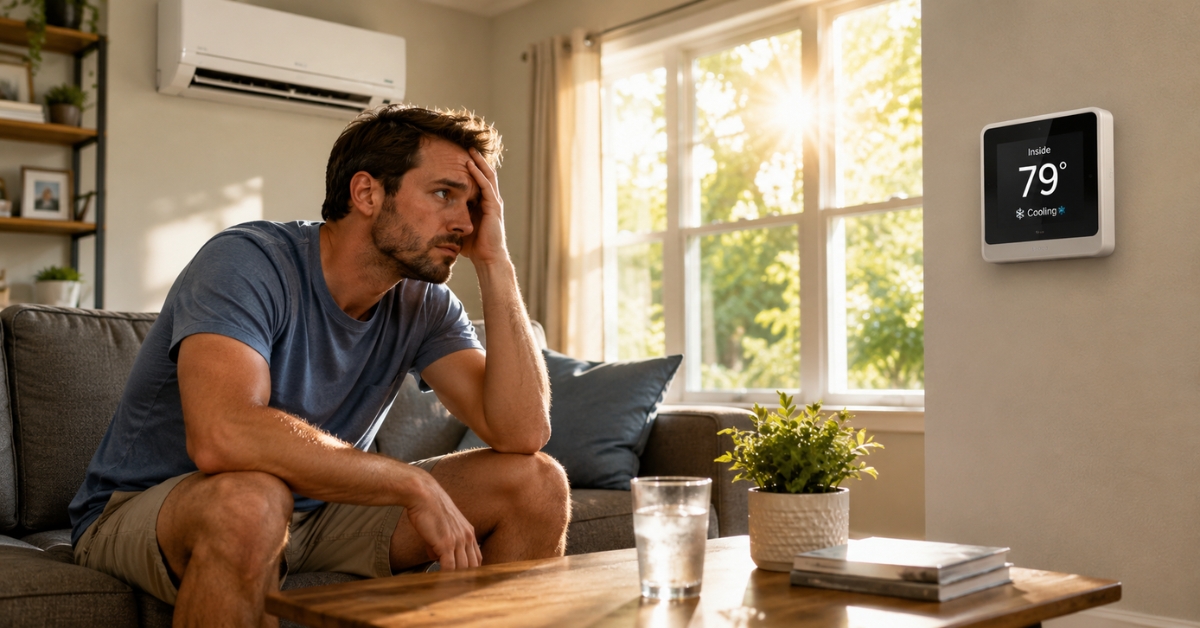
In reality, the answer is often more complicated. Many cases of slow cooling are caused by airflow restrictions, heat entering the home faster than it can be removed, or performance issues that reduce efficiency. Understanding why AC takes forever to cool house conditions can help homeowners identify potential problems and improve comfort without jumping to conclusions.
Cooling Speed Depends on More Than AC Size
An air conditioner does not instantly lower the temperature throughout a home. Instead, it gradually removes heat from indoor air and transfers that heat outdoors.
Several factors affect how quickly this process happens, including:
- Outdoor temperature
- Indoor humidity
- Home insulation levels
- Airflow throughout the house
- Duct condition
- Thermostat settings
- Window exposure to sunlight
- System age and maintenance
Even a properly sized AC system can struggle when one or more of these factors work against it.
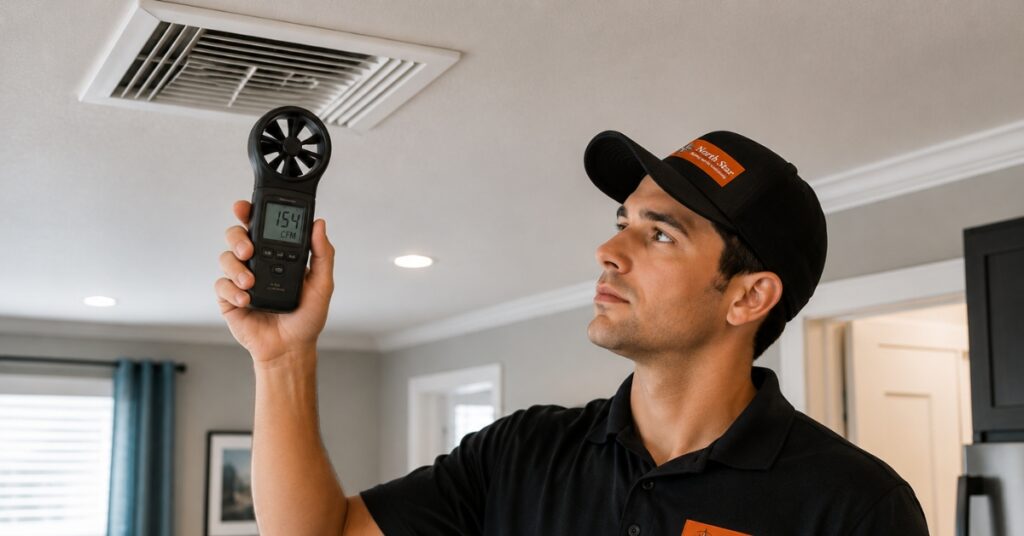
Weak Airflow Can Slow Cooling Dramatically
One of the most common reasons for slow cooling is restricted airflow.
Your air conditioner depends on a steady volume of air moving across the evaporator coil and through the duct system. When airflow is limited, the system cannot distribute cooled air efficiently throughout the house.
If you notice rooms taking much longer to cool or air barely coming from vents, it may indicate weak airflow. Problems related to airflow restrictions can often require professional evaluation to determine whether filters, blower components, or other system issues are involved.
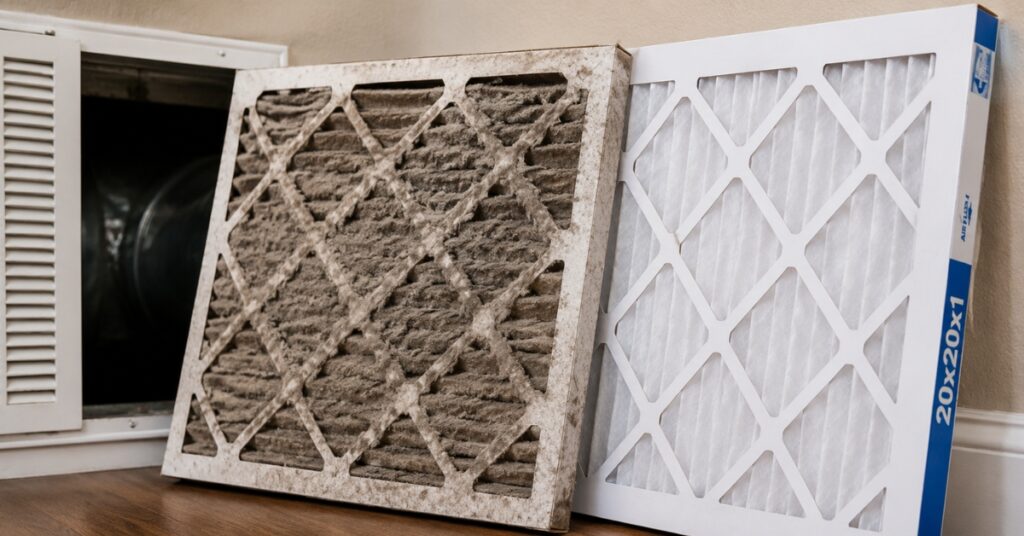
Dirty Air Filters Restrict Air Movement
Air filters are designed to capture dust, pollen, and airborne particles before they enter the HVAC system.
Over time, filters become clogged and reduce the amount of air flowing through the equipment. This can lead to:
- Longer cooling cycles
- Reduced comfort
- Increased energy use
- Additional strain on HVAC components
A dirty filter is one of the simplest issues to address, yet it remains one of the most common causes of slow cooling.
Blocked Return Vents Create Airflow Problems
Supply vents push cooled air into rooms, but return vents are equally important.
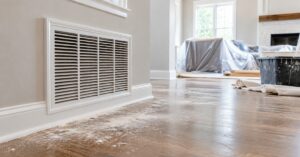
Return vents pull indoor air back to the system so it can be cooled again. When furniture, boxes, curtains, or other items block return vents, airflow becomes unbalanced.
This can make certain rooms feel warmer while forcing the AC to run longer than necessary.
Closed Supply Registers Can Hurt Performance
Many homeowners close vents in unused rooms hoping to save energy.
Unfortunately, this can disrupt system balance and reduce airflow throughout the home. In some cases, closing multiple vents increases pressure inside ductwork and decreases overall efficiency.
Keeping vents open usually supports more consistent cooling performance.
Ductwork Problems Can Prevent Cool Air From Reaching Rooms
Even if the air conditioner is working properly, damaged or poorly designed ductwork can limit comfort.
The cooled air produced by your system must travel through ducts before reaching living spaces. Any issue along that path can reduce effectiveness.
Leaky Ducts Waste Conditioned Air
Small gaps, disconnected sections, or damaged joints can allow cooled air to escape into attics, crawl spaces, or wall cavities.
When conditioned air leaks before reaching rooms, homeowners often notice:
- Uneven cooling
- Hot spots throughout the house
- Longer system run times
- Higher utility bills
Poor Air Distribution Affects Comfort
Proper airflow requires balanced duct design and clean pathways.
When airflow is restricted by buildup, obstructions, or aging ductwork, air distribution throughout the home can become uneven. Some rooms may feel comfortable while others remain noticeably warmer.
Maintaining healthy airflow throughout duct systems helps cooled air reach every area of the house more effectively.
Heat Gain Can Overwhelm Your AC
Sometimes the air conditioner is working exactly as intended, but the home is gaining heat faster than the system can remove it.
This is especially common during summer afternoons when outdoor temperatures peak.
Sunlight Through Windows Adds Significant Heat
Large windows facing south or west often allow substantial solar heat into the home.
Even high-quality AC systems can struggle to keep up when sunlight continuously heats interior spaces.
Common solutions include:
- Closing blinds during peak sunlight hours
- Using thermal curtains
- Installing window films
- Upgrading inefficient windows
Poor Insulation Makes Cooling More Difficult
Insulation slows heat transfer between indoor and outdoor environments.
When insulation is inadequate, outdoor heat enters more quickly, forcing the AC system to work harder and longer.
Attics are especially important because roof surfaces absorb large amounts of summer heat.
Air Leaks Allow Hot Outdoor Air Inside
Gaps around doors, windows, recessed lighting, and utility penetrations can allow warm outdoor air to enter continuously.
Even small leaks add up over time and contribute to longer cooling cycles.
Sealing air leaks helps maintain indoor comfort and reduces unnecessary strain on HVAC equipment.
Thermostat Settings Can Affect Cooling Expectations
Sometimes homeowners believe their AC is cooling too slowly when the system is actually operating normally.
Large Temperature Adjustments Take Time
If the house reaches 85°F during the day and the thermostat is set to 72°F in the evening, the system must remove a significant amount of accumulated heat.
Cooling a home by 10 to 15 degrees is not an instant process.
The larger the temperature difference, the longer the cooling cycle will be.
Thermostat Placement Matters
Thermostat location can influence system operation.
If a thermostat is installed near:
- Sunny windows
- Kitchens
- Electronics
- Heat-producing appliances
It may register temperatures that do not accurately reflect conditions throughout the home.
This can lead to longer or shorter cooling cycles than expected.
Aging Equipment May Struggle to Keep Up
Air conditioners naturally lose efficiency as components wear over time.
Even systems that still function may not cool as effectively as they did when new.
Signs of aging equipment include:
- Longer run times
- Reduced airflow
- Higher utility costs
- More frequent repairs
- Difficulty maintaining set temperatures
Older systems often experience gradual performance decline that homeowners may not notice until cooling becomes noticeably slower.
Dirty Coils Reduce Efficiency
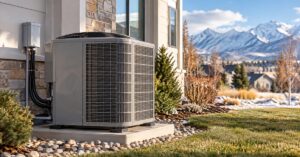
Both indoor and outdoor coils play critical roles in heat transfer.
When coils become coated with dirt and debris, heat removal becomes less effective. The system may still run continuously while delivering less cooling.
According to the ENERGY STAR maintenance checklist, regular maintenance helps HVAC equipment operate more efficiently and maintain performance over time.
Low Refrigerant Can Affect Cooling
Air conditioners rely on the proper refrigerant charge to transfer heat effectively.
When refrigerant levels drop because of leaks or other issues, cooling capacity decreases significantly.
A system with low refrigerant may:
- Run constantly
- Cool slowly
- Produce uneven temperatures
- Struggle during extreme heat
Why Some Rooms Stay Hot While Others Cool Normally
Many homeowners experience hot rooms even when the rest of the house feels comfortable.
This usually points to airflow or heat gain issues rather than an air conditioner that is too weak.
Common causes include:
- Long duct runs
- Insufficient airflow
- Poor insulation
- Excessive window exposure
- Closed vents
- Blocked returns
Addressing these factors often improves comfort without replacing HVAC equipment.
Routine Maintenance Helps Prevent Slow Cooling
Many slow cooling complaints develop gradually over time.
Regular maintenance can help identify minor issues before they become major comfort problems.
Professional inspections often evaluate:
- Air filter condition
- Blower performance
- Coil cleanliness
- Refrigerant levels
- Electrical components
- Thermostat operation
For a quick overview of common airflow and cooling issues that can affect AC efficiency, watch this short video on slow cooling problems.
Improving cooling performance through routine maintenance helps systems operate closer to their designed capacity and may reduce cooling times during hot weather.
Homeowners looking to prepare their systems before peak summer temperatures arrive can also benefit from reviewing seasonal maintenance recommendations and following a summer AC preparation guide before cooling demands increase.
When Slow Cooling Is Normal
Not every instance of slow cooling indicates a problem.
During extremely hot weather, most systems run longer because:
- Outdoor temperatures are higher
- Homes gain heat more quickly
- Humidity levels increase
- Cooling demand rises significantly
Longer run times during peak summer afternoons are often expected.
The key difference is whether the system eventually reaches the desired temperature. If it does, the equipment may simply be working under heavier conditions.
FAQ
Why does my AC run all day but never reach the thermostat setting?
This may result from airflow restrictions, duct leaks, excessive heat gain, dirty coils, low refrigerant, or aging equipment. A professional inspection can help identify the cause.
Can a dirty filter really make my AC cool slower?
Yes. A clogged filter restricts airflow, reducing the amount of cooled air circulating through your home and increasing cooling times.
Why are some rooms hotter than others?
Uneven cooling often results from duct issues, poor insulation, blocked vents, excessive sunlight exposure, or airflow imbalances.
Should I close vents in unused rooms?
Generally, no. Closing multiple vents can disrupt airflow balance and reduce overall system efficiency.
How often should AC maintenance be performed?
Most manufacturers and HVAC professionals recommend annual maintenance, ideally before the cooling season begins.
Is slow cooling always a sign that I need a new air conditioner?
No. Many cooling issues are related to airflow, maintenance, insulation, ductwork, or thermostat settings rather than equipment replacement.