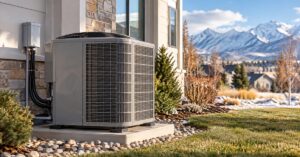
When summer temperatures climb, many homeowners start paying closer attention to how often their air conditioner runs. It is common to hear the system operating for extended periods during the hottest parts of the day, especially when outdoor temperatures remain high for hours at a time.
This often raises an important question: Is it normal for AC to run all day?
The answer depends on several factors. In some situations, long cooling cycles are completely normal. In others, an air conditioner that runs continuously may be struggling to keep up due to maintenance issues, airflow restrictions, aging equipment, or other problems.
Understanding the difference can help homeowners determine whether their system is operating as intended or whether it may need professional attention.
Why Air Conditioners Run Longer During Hot Weather
Air conditioners remove heat from inside the home and transfer it outdoors. As outdoor temperatures rise, this process becomes more difficult because the system has to work against a smaller temperature difference.
During moderate weather, an air conditioner may cycle on and off throughout the day. During periods of extreme heat, especially in Utah’s summer climate, longer cooling cycles become much more common.
A properly functioning system may run for extended periods when:
- Outdoor temperatures are significantly higher than normal
- Direct sunlight increases indoor heat gain
- Doors are opened frequently
- Multiple occupants are generating indoor heat
- Appliances such as ovens and dryers are used throughout the day
Long runtime alone does not necessarily indicate a problem.
In fact, HVAC systems are often designed to run longer on the hottest days of the year because steady operation can provide more consistent indoor comfort and humidity control.
When Long Cooling Cycles Are Completely Normal
The System Reaches the Desired Temperature
One of the easiest ways to determine whether your air conditioner is operating normally is to check whether the thermostat eventually reaches the desired setting.
For example, if the thermostat is set to 72 degrees and the system maintains that temperature throughout the day, long runtime during extreme heat may be expected.
The system is doing its job even if it seems to run more frequently than usual.
Temperatures Are Exceptionally High
Utah summers can bring prolonged periods of intense heat. During these conditions, many homeowners notice their systems operating nearly nonstop during the afternoon.
This can be especially true when temperatures approach or exceed triple digits.
As outdoor temperatures increase, the cooling load inside the home also rises. The air conditioner must remove more heat to maintain indoor comfort.
Homeowners who want a quick overview of when long AC runtimes are normal can watch our short video on why air conditioners may run all day during summer heat.
The Home Is Well-Sealed but Heat Gain Is High
Homes with large windows, vaulted ceilings, or extensive sun exposure may experience significant heat gain throughout the day.
Even a properly functioning system may require long cooling cycles to offset this added heat load.
In these cases, extended runtime can be a sign that the system is working efficiently rather than cycling on and off excessively.
When AC Running Constantly May Signal a Problem
While long operation can be normal, there are situations where continuous runtime indicates that something is preventing the system from cooling effectively.
The Thermostat Never Reaches the Set Temperature
A major warning sign occurs when the thermostat not reaching temperature becomes a recurring issue.
If the system runs continuously for hours but indoor temperatures remain several degrees above the thermostat setting, the equipment may be struggling to keep up.
Possible causes include:
- Restricted airflow
- Dirty components
- Refrigerant issues
- Aging equipment
- Improper sizing
- Excessive heat gain
When this happens, the system may consume more energy while providing less comfort.
Homeowners concerned about an AC running constantly may benefit from having the system professionally evaluated to identify the underlying cause.
Cooling Performance Has Changed Recently
If the air conditioner previously maintained comfortable temperatures but suddenly begins running much longer, that change should not be ignored.
Gradual wear or maintenance issues can reduce efficiency over time.
A noticeable increase in runtime often indicates that something within the system has changed.

How Dirty Air Filters Affect Runtime
Reduced Airflow Makes Cooling More Difficult
Air filters play an important role in protecting HVAC equipment and maintaining airflow.
When filters become clogged with dust and debris, less air can move through the system.
This restriction can lead to:
- Reduced cooling performance
- Longer cooling cycles
- Increased energy consumption
- Additional strain on components
A dirty filter is one of the simplest issues to address, yet it is also one of the most commonly overlooked.
Regular Filter Changes Support Performance
Filter replacement schedules vary depending on factors such as:
- Filter type
- Household occupancy
- Pets
- Indoor air quality conditions
Checking filters regularly can help ensure that airflow remains unrestricted during peak cooling season.
The Role of Airflow Restrictions Throughout the Home
Airflow problems are not limited to filters.
Several other issues can prevent conditioned air from circulating effectively.
Closed or Blocked Vents
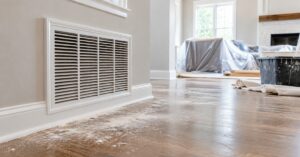
Furniture, rugs, curtains, or intentionally closed vents can interfere with airflow.
When air cannot move freely through the home, cooling performance may suffer.
Ductwork Issues
Damaged or leaking ductwork can allow conditioned air to escape before reaching occupied spaces.
As a result, rooms may remain warmer than intended while the system continues operating for longer periods.
Dirty Indoor Components
Evaporator coils and blower components can accumulate dust over time.
When these parts become dirty, system efficiency may decline and cooling cycles may lengthen.
Can Poor Insulation Cause Long Runtime?
Absolutely.
Even a perfectly functioning air conditioner may struggle if the home allows heat to enter faster than it can be removed.
Heat Gain Through the Building Envelope
Poor insulation can contribute to excessive heat transfer through:
- Attics
- Walls
- Windows
- Doors
When outdoor heat continually enters the home, the air conditioner must work harder to maintain indoor temperatures.
Air Leaks Add to the Load
Small gaps around doors, windows, and penetrations can also allow hot outdoor air to enter.
Combined with insulation deficiencies, these leaks can significantly increase cooling demands during summer.
Improving insulation and sealing air leaks often helps reduce long cooling cycles and improve comfort.

How Thermostat Settings Influence Runtime
Sometimes the issue is not the air conditioner itself.
The thermostat settings may be creating unrealistic expectations.
Extremely Low Temperature Settings
Many homeowners attempt to cool their homes rapidly by lowering the thermostat well below their desired temperature.
Unfortunately, air conditioners do not cool faster simply because the thermostat is set lower.
Instead, the system will continue running until it reaches the selected setting, which may be difficult or impossible during extreme heat.
Programmable and Smart Thermostats
Modern thermostats can help manage cooling schedules more effectively.
Gradual temperature adjustments often reduce unnecessary runtime while maintaining comfort.
Aging Equipment and System Capacity
Older Systems May Lose Efficiency
As equipment ages, components naturally experience wear.
Even with proper maintenance, older systems may not perform as efficiently as they once did.
Signs of age-related performance decline can include:
- Longer cooling cycles
- Higher utility bills
- Reduced comfort
- More frequent repairs
Undersized Systems Can Struggle
An air conditioner must be properly sized for the home it serves.
If the system lacks sufficient capacity for the home’s cooling demands, it may run continuously during hot weather without ever fully satisfying the thermostat.
Proper sizing depends on many factors, including:
- Square footage
- Insulation levels
- Window area
- Ceiling height
- Sun exposure
- Occupancy
This is one reason professional load calculations are important when considering AC installation for a new system.
Why Humidity Can Affect Comfort Even When Cooling Seems Adequate
Temperature is only part of the comfort equation.
Indoor humidity can also influence how a home feels.
When humidity levels remain elevated, occupants may feel sticky or uncomfortable despite acceptable thermostat readings.
Homeowners interested in learning more about indoor humidity levels and overall comfort can explore additional resources discussing how moisture affects indoor environments during the cooling season.
Maintenance Helps Systems Handle Summer Demands
Routine maintenance plays a significant role in keeping air conditioners operating efficiently during periods of extreme heat.
According to the U.S. Department of Energy, regular maintenance tasks such as cleaning or replacing filters and keeping system components in good condition help support efficient operation and performance. This guidance can be found in the Department of Energy’s air conditioner maintenance resources.
Benefits of Seasonal Service
Professional maintenance may help:
- Improve airflow
- Identify worn components
- Clean critical parts
- Verify proper operation
- Support energy efficiency
Many homeowners schedule summer cooling maintenance before peak temperatures arrive to help prepare their systems for the season’s highest demands.
What Homeowners Should Watch For
Long cooling cycles are not automatically a sign that something is wrong.
However, homeowners should pay attention to signs that suggest the system may be struggling.
These signs include:
- Thermostat not reaching temperature
- Warm air coming from vents
- Unusually high energy bills
- Excessive indoor humidity
- Frequent repairs
- Uneven temperatures throughout the home
When these symptoms accompany constant operation, further evaluation may be worthwhile.
FAQ
Is it normal for AC to run all day during a Utah summer?
Yes. During periods of extreme heat, an air conditioner may run for extended periods or nearly continuously while maintaining the desired indoor temperature.
How long should a normal cooling cycle last?
Cooling cycle length varies depending on outdoor temperatures, home insulation, humidity levels, and system design. During very hot weather, cycles can last much longer than they do during milder conditions.
Why is my AC running constantly but not cooling the house?
Possible causes include dirty filters, airflow restrictions, duct problems, aging equipment, refrigerant issues, insulation deficiencies, or an improperly sized system.
Does setting the thermostat lower cool the house faster?
No. Lowering the thermostat significantly does not increase cooling speed. It simply causes the system to run longer until the selected temperature is reached.
Can a dirty air filter cause long cooling cycles?
Yes. Restricted airflow from a clogged filter can reduce cooling performance and cause the system to operate longer than necessary.
When should I be concerned about an AC running all day?
Concern is generally warranted when the system runs continuously without reaching the thermostat setting, produces uneven cooling, creates unusually high utility bills, or shows other signs of reduced performance.