
As temperatures begin to rise, many homeowners assume their air conditioner will be ready to handle the heat without any preparation. However, after months of limited use during cooler weather, your cooling system can benefit from a few simple checks before summer arrives.
Knowing how to prep your AC for summer can help improve comfort, support energy efficiency, and reduce unnecessary strain on important system components. Small maintenance tasks completed before peak cooling season may also help identify minor issues before they become larger and more expensive problems.
The good news is that many summer preparation steps are simple enough for homeowners to complete themselves. With a little time and attention, you can help your system perform more effectively when outdoor temperatures begin climbing.
Why Summer Preparation Matters
Your air conditioner works hardest during the hottest days of the year. If airflow is restricted, components are dirty, or settings are incorrect, the system may need to run longer cycles to maintain comfortable indoor temperatures.
Preparing your AC before summer helps:
- Improve airflow throughout the home
- Support efficient cooling performance
- Reduce unnecessary wear on system components
- Improve indoor comfort
- Identify maintenance concerns before extreme heat arrives
A proactive approach is often easier and less expensive than dealing with a breakdown during a summer heat wave.
Start With the Air Filter
One of the simplest and most important cooling season maintenance tasks is checking the air filter.
Why Filters Matter
The filter helps capture dust, pollen, pet dander, and other airborne particles before they enter the HVAC system. Over time, the filter becomes clogged and restricts airflow.
When airflow is reduced, your air conditioner must work harder to cool your home.
Potential consequences include:
- Reduced cooling performance
- Higher energy consumption
- Increased wear on system components
- Uneven temperatures throughout the home
Replace the Filter if Needed
Before summer begins, inspect your filter and replace it if it appears dirty.
Many homeowners benefit from checking filters every one to three months, although replacement frequency depends on:
- Household size
- Pets
- Indoor air quality conditions
- Filter type
- System usage
If your system uses a standard disposable HVAC filter, replacing it before cooling season starts is one of the easiest ways to support better performance.
According to the U.S. Department of Energy, replacing or cleaning a clogged filter is one of the most important maintenance tasks homeowners can perform because dirty filters restrict airflow and can reduce system efficiency. Regular filter inspections before cooling season can help support better overall AC performance.
Inspect the Outdoor Condenser Unit
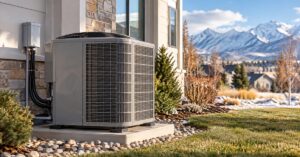
The outdoor unit plays a critical role in removing heat from your home.
During fall, winter, and spring, leaves, grass clippings, dirt, and other debris can accumulate around the condenser.
Remove Debris Around the Unit
Walk around the outdoor condenser and inspect the area carefully.
Clear away:
- Leaves
- Weeds
- Branches
- Grass clippings
- Windblown debris
Maintaining adequate clearance allows air to move freely through the condenser coil.
This simple step helps the system release heat more effectively during hot weather.
Check for Obstructions
Shrubs, landscaping, fencing, and stored items can sometimes block airflow.
Experts generally recommend maintaining at least two feet of open space around the unit whenever possible.
Taking time to clear outdoor unit areas before summer can help prevent airflow restrictions that force the system to work harder.
Open and Inspect Supply Vents
Many homeowners forget to check vents before cooling season begins.
Closed or blocked vents can reduce airflow and create uneven temperatures throughout the home.
Make Sure Vents Are Fully Open
Walk through each room and confirm that supply vents are open.
Sometimes vents are closed during winter months and never reopened.
Opening vents allows conditioned air to circulate properly throughout the home.
Remove Airflow Obstacles
Furniture, rugs, curtains, and storage boxes can block vents without homeowners realizing it.
Look for:
- Sofas covering vents
- Beds positioned over floor registers
- Curtains blocking airflow
- Storage containers placed in front of vents
Improving airflow throughout the home can help your AC operate more efficiently and maintain more consistent temperatures.
Review Thermostat Settings Before the Heat Arrives
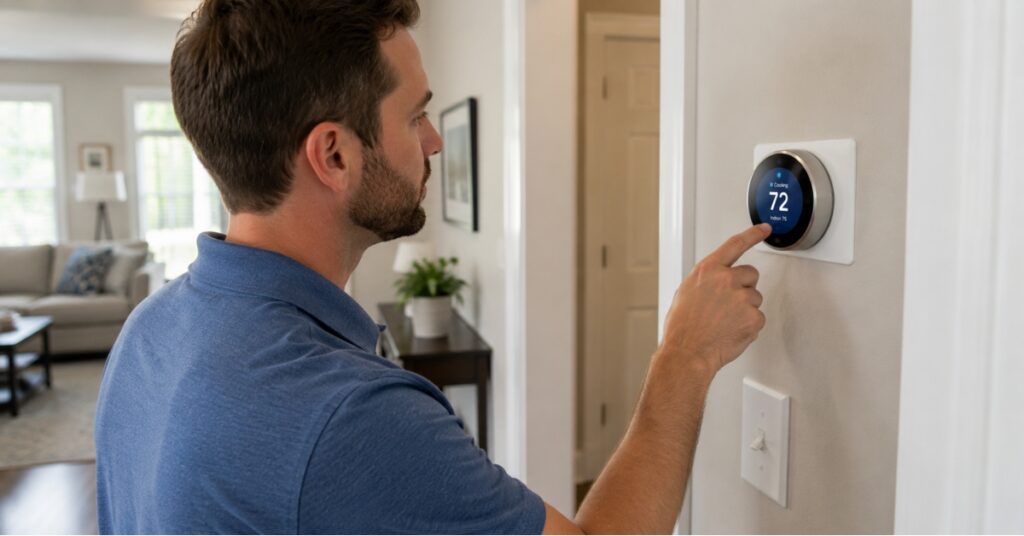
Your thermostat controls how often your cooling system runs.
Before summer starts, review your settings to ensure everything is operating as expected.
Test Cooling Operation
Switch the thermostat to cooling mode and lower the temperature a few degrees below room temperature.
Listen for:
- The indoor blower turning on
- The outdoor condenser starting
- Cool air coming from supply vents
Testing early gives you time to address concerns before temperatures become extreme.
Update Programmed Schedules
If you use a programmable or smart thermostat, review your schedule settings.
Seasonal changes often require adjustments to:
- Wake-up temperatures
- Workday settings
- Evening comfort settings
- Vacation schedules
Optimizing thermostat settings can help improve comfort while avoiding unnecessary runtime.
Check Indoor Airflow Throughout the Home
Even if the system is producing cool air, airflow issues can reduce overall comfort.
Look for Uneven Cooling
As you prepare for summer, pay attention to rooms that consistently feel warmer than others.
Potential causes may include:
- Dirty filters
- Closed vents
- Duct restrictions
- Airflow imbalances
Identifying these issues early may help prevent larger comfort problems later in the season.
Listen for Unusual Sounds
During your pre-summer inspection, pay attention to unusual noises.
Potential warning signs include:
- Rattling
- Buzzing
- Grinding
- Squealing
Strange sounds do not always indicate a major repair, but they often signal that further inspection may be necessary.
Addressing concerns early can help avoid situations where system strain contributes to more significant mechanical issues.
Inspect the Area Around Indoor Equipment
Many HVAC systems are installed in basements, utility rooms, closets, or garages.
Before cooling season begins, inspect the area around indoor equipment.
Keep the Space Clean
Remove items stored directly against HVAC equipment.
Maintaining clearance around the system helps support:
- Proper airflow
- Easier servicing
- Better overall operation
Watch for Moisture Concerns
Check for signs of water around the equipment.
Potential concerns include:
- Condensate drain issues
- Drain line clogs
- Excess moisture buildup
Any visible water should be investigated before heavy summer usage begins.
Schedule Maintenance Before Peak Cooling Season
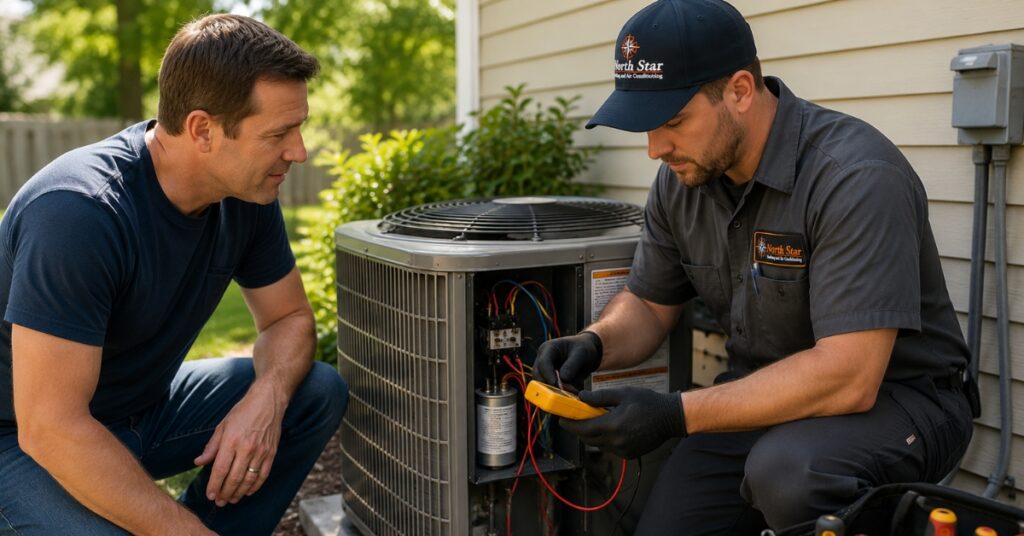
While many preparation steps can be completed by homeowners, professional maintenance remains an important part of seasonal HVAC care.
The best time to schedule service is often before temperatures reach their seasonal peak.
Why Timing Matters
As summer temperatures rise, HVAC companies often experience increased demand.
Scheduling service early may provide:
- Greater appointment availability
- More time to address concerns
- Reduced risk of unexpected breakdowns
Professional inspections can identify issues that are not always visible during routine homeowner checks.
What Maintenance Typically Includes
A professional technician may inspect:
- Electrical connections
- Refrigerant performance
- Condenser and evaporator coils
- Airflow measurements
- Thermostat operation
- Safety controls
Many homeowners include annual maintenance as part of their overall summer AC prep routine to help keep systems operating reliably throughout the cooling season.
Simple Habits That Help Throughout Summer
Preparation does not end once summer begins.
A few ongoing habits can help maintain performance throughout the season.
Continue Checking Filters
Even a new filter can become dirty quickly during heavy usage periods.
Inspect filters regularly and replace them when needed.
Keep the Outdoor Unit Clear
Continue monitoring landscaping growth and debris accumulation around the condenser.
Storms, lawn maintenance, and seasonal growth can gradually reduce airflow.
Monitor System Performance
Pay attention to:
- Longer cooling cycles
- Warm air from vents
- Unusual noises
- Rising utility bills
Early detection often makes repairs easier and less disruptive.
FAQ About How to Prep Your AC for Summer
When should I start preparing my AC for summer?
Ideally, preparation should begin during spring before temperatures consistently reach summer highs. This gives you time to complete maintenance tasks and schedule professional service if needed.
How often should I replace my HVAC filter?
Many filters should be checked monthly and replaced every one to three months, depending on filter type, pets, indoor air quality, and system usage.
How much space should be kept around the outdoor unit?
A minimum of approximately two feet of open space around the condenser is generally recommended to support proper airflow.
Should all vents remain open during summer?
In most homes, keeping vents open helps maintain balanced airflow and supports efficient system operation.
Is professional maintenance still necessary if my AC seems to work fine?
Yes. Professional maintenance can identify developing issues that may not be noticeable during normal operation and can help prepare the system for heavy summer use.
What are signs that my AC may need service?
Warm airflow, unusual noises, poor airflow, uneven cooling, frequent cycling, and unexpectedly high energy bills may indicate the need for professional evaluation.
Learn More About Preparing Your Cooling System
Homeowners who take a proactive approach before summer often experience better comfort and fewer unexpected problems during the hottest months of the year. Along with replacing filters, checking airflow, clearing debris, and reviewing thermostat settings, staying aware of factors that contribute to premature AC wear can help support long-term system performance.
For a quick visual overview of homeowner preparation tips, watch this video about how to prep your AC for Summer.
For additional maintenance guidance, the U.S. Department of Energy’s air conditioner maintenance guide provides helpful recommendations for homeowners.